

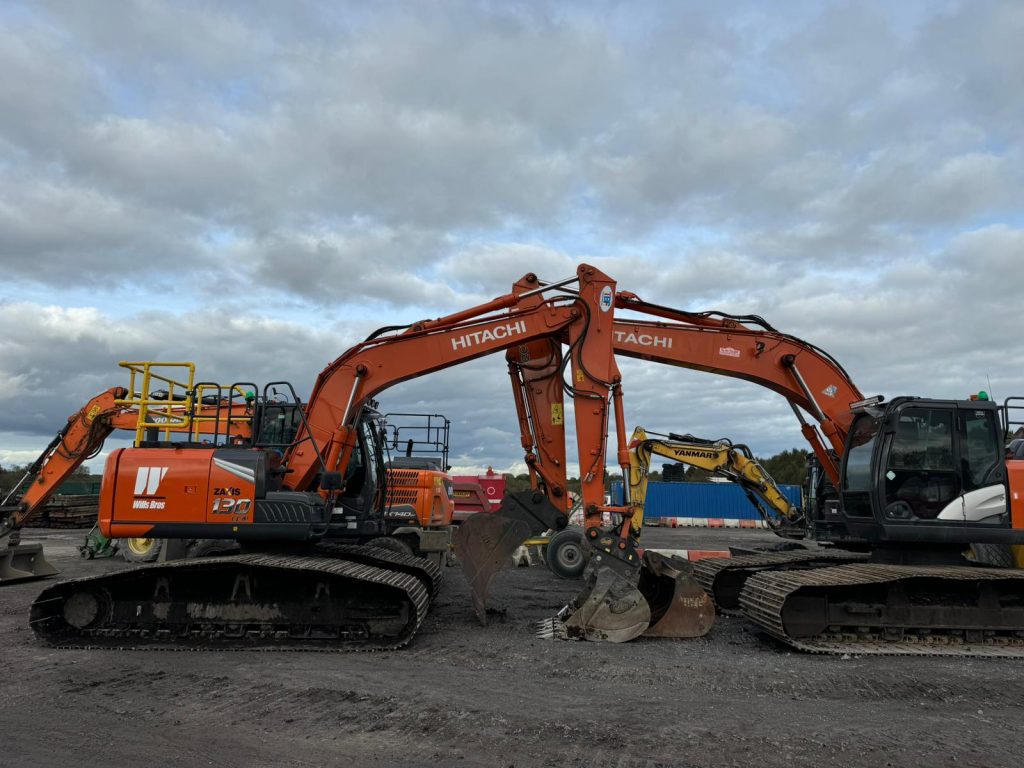
Construction sites are among the hardest environments to secure. The perimeter changes week by week, the workforce turns over constantly, high-value plant and materials sit in the open, and the site is unoccupied for most of every twenty-four hours.
This guide covers the risks specific to construction, the security measures that address them, and how cover should change as a project moves through its phases.
The main risks on a construction site
Plant and tool theft
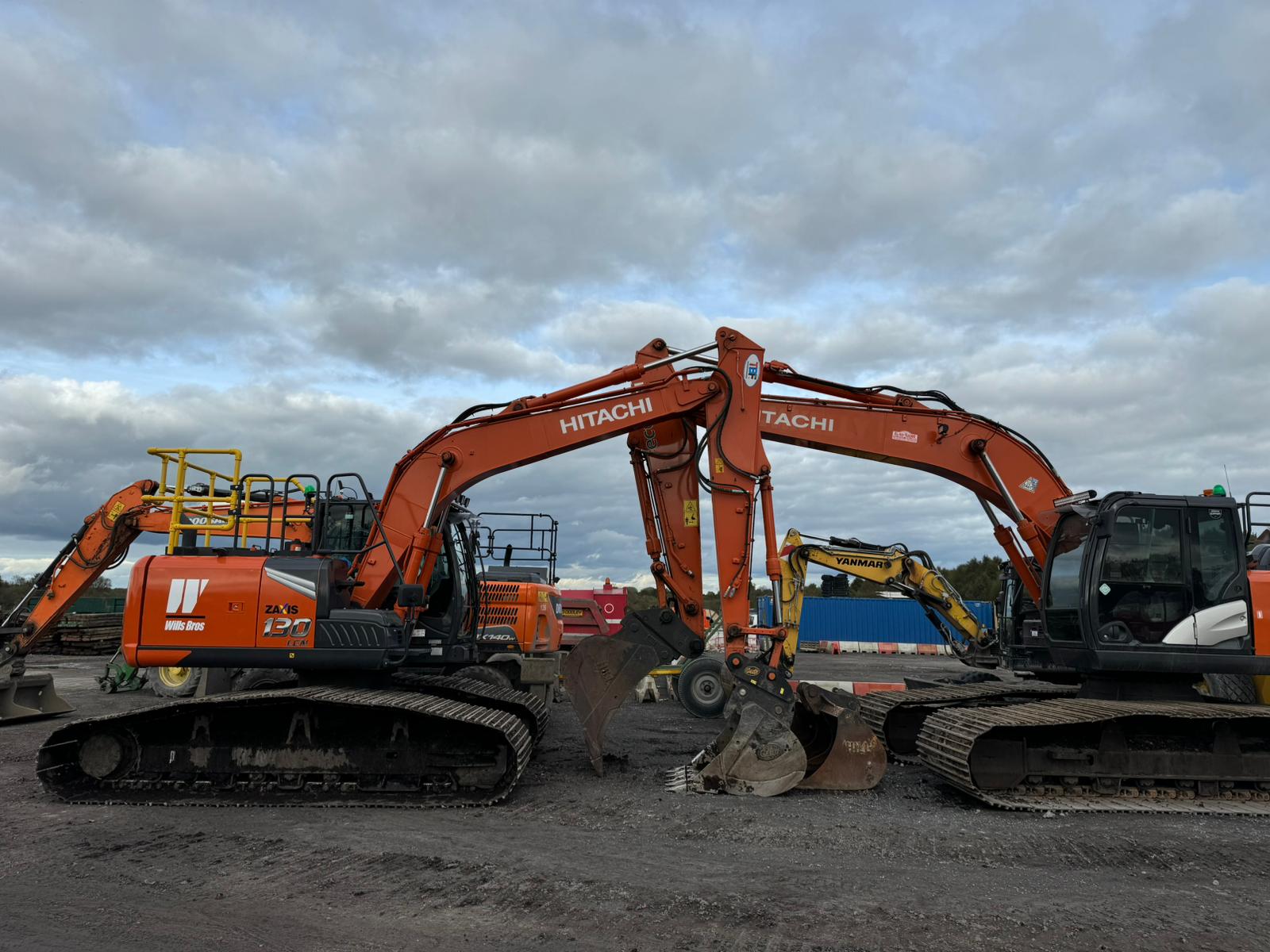
Excavators, telehandlers, generators and power tools are portable, valuable and often poorly marked. Plant theft also carries a long tail of cost: hire replacement, insurance excess, and programme delay.
Materials theft
Copper cable, lead, timber, insulation and fuel are all routinely targeted. Fuel theft from plant is common and frequently under-reported.
Vandalism and arson
Arson on construction sites is a low-frequency, catastrophic risk. An unoccupied site with combustible materials and no detection is a serious exposure regardless of what is stored there.
Unauthorised access and trespass
Beyond theft, trespass creates genuine liability. A site with open excavations, scaffolding and unsecured plant is dangerous, and duty of care does not lapse because the intruder should not have been there.
Metal theft from partially completed works
First-fix copper and installed cabling are targeted once the building is watertight but before it is occupied — often the highest-risk window of the whole programme.
Security measures that work on construction sites
Manned guarding out of hours
An SIA-licensed officer on site overnight and at weekends addresses the period when nearly all losses occur. On larger sites, gate control during working hours matters equally.
Gate and access control
Verifying identity, checking CSCS cards, logging deliveries and controlling vehicle movements. Sites with heavy subcontractor traffic benefit most, because it is the point where accountability is established.
Security dog units
Particularly effective on large or open sites where a single officer cannot maintain visibility. NASDU-qualified handlers should be used, with the team insured for the deployment.
Mobile patrols
Suitable for smaller sites, or for covering several sites in a region. Visits should be at irregular intervals — a predictable patrol schedule is easy to work around.
Fire marshal cover
Hot works significantly raise fire risk. Fire marshal cover during and after hot works periods is both a safety control and an insurance expectation.
Lighting, hoarding and CCTV
Physical measures reduce the burden on manned cover. They work best in combination: hoarding delays entry, lighting removes concealment, CCTV provides evidence, and an officer provides response.
How cover should change through the project
Security requirements are not static across a build programme.
- Enabling works and groundworks. Plant is the main target. Priorities are perimeter integrity and overnight cover.
- Superstructure. Materials volumes peak and subcontractor numbers rise. Gate control becomes more important.
- First fix and watertight. The highest-risk phase for cable and copper theft. Internal patrols matter as much as perimeter cover.
- Fit-out. High-value finishes, appliances and fittings arrive. Delivery control and internal access control take priority.
- Handover and post-completion. Sites often lose cover too early, at exactly the point where a completed but unoccupied building is most attractive.
What to ask a construction security provider
- Are all officers SIA-licensed, and how is expiry tracked?
- Do you hold BS 7499 certification for static guarding and screen personnel to BS 7858?
- What accreditations do you hold — CHAS, SafeContractor, ISO 9001?
- Do your officers hold CSCS cards where site access requires it?
- How are patrols logged and reported?
- Can cover scale up and down as the programme moves through phases?
- How quickly can you mobilise for an unplanned requirement?
Frequently asked questions
How much does construction site security cost?
Cost depends on site size, hours covered, number of officers and whether dog units are required. Providers should survey the site before quoting; a price given over the phone is an estimate.
Do construction site security guards need CSCS cards?
Many principal contractors require CSCS cards for anyone accessing the site, in addition to the mandatory SIA licence. Confirm the requirement with your principal contractor.
Is a security dog unit better than two officers?
On large or open sites a handler team typically covers ground more effectively than additional officers on foot. On sites where the main need is gate control, officers are more appropriate.
When should security start on a construction project?
Ideally from the point plant and materials first arrive on site. Cover arranged after a first incident is almost always more expensive than cover arranged before one.
Does site security reduce insurance premiums?
Insurers frequently require specified security measures as a condition of cover for plant and materials. Check your policy wording — the requirement may already exist.
Construction security from First Class Services Group
First Class Services Group provides SIA-licensed construction security across the UK, including construction security in Yorkshire and construction site security in the East Midlands. We hold CHAS accreditation, ISO 9001 certification and BS 7499 certification for static site guarding.
Related services include security guards, gate security, security dog units and fire marshals. We also supply commercial labourers for construction projects.
Request a site survey and quote, or call 020 7183 5811.